Vertical lathes, also known as vertical turning machines, are primarily used for machining large and heavy workpieces with large radial dimensions and relatively small axial dimensions. The products processed by these machines include, but are not limited to:
- Large disc-shaped parts: such as flywheels, flanges, brake drums, large gear rings, bearing races, and other large circular or nearly circular parts.
- Shaft-type parts: such as short shafts, bushings, and shaft discs – workpieces with relatively short axial length but large radial dimensions.
- Sleeve-type parts: such as the housings and cylindrical parts of various large machines.
- Special structure parts: such as water turbine blades, generator rotors, aerospace structural components, templates and inserts for large molds, involving various types of machining including cylindrical surfaces, conical surfaces, internal and external cylindrical holes, conical holes, end faces, and grooves.
- Special-purpose parts: such as large, heavy, and complex-shaped parts in fields such as aerospace, automobile manufacturing, metallurgy, power generation, petroleum, and chemical industries, including engine components, large bearings, hubs, turbine blades, rotors, and flanges.
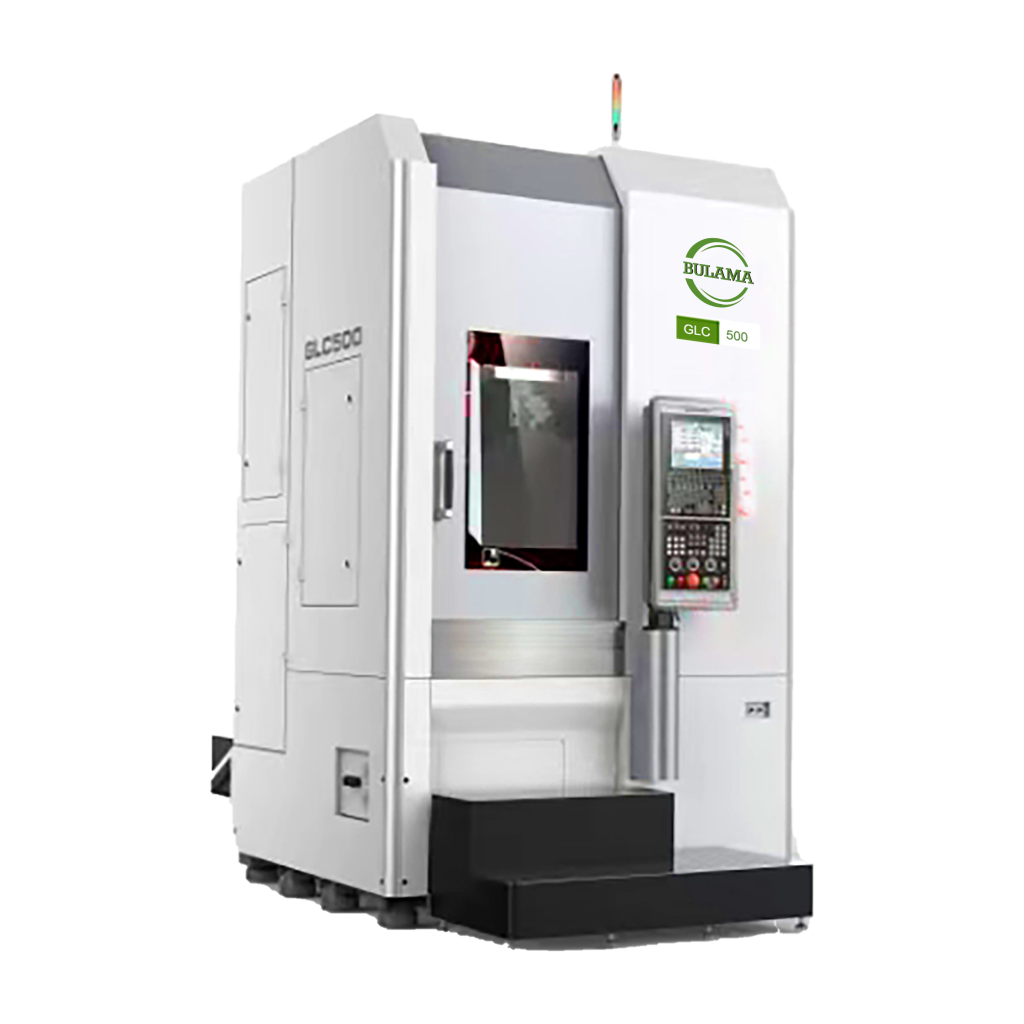
Vertical lathes can also perform various complex machining operations such as thread cutting, spherical turning, profiling, milling, and grinding through the use of additional attachments. They are suitable for mass production and applications requiring high machining accuracy and dimensional consistency. Vertical CNC lathes, in particular, can improve production efficiency while maintaining accuracy, meeting the demands of modern manufacturing.